
Cold-Blooded Mathematics // C13M.com
Market claims, checked against every trading day.
Win rates, “key levels”, can't-miss setups: trading is full of numbers nobody checks. We test them on every trading day, not the handful that make a good screenshot, and publish what holds up and what doesn't. No signals. No hype. Facts side by side, so you make your own call.
New, free: The Math of Enough. What $100 a day adds up to over a year, and why the same average can end the year very differently.
01 // Free to read
The Dissection, November 2026: Who's paying for the midterms?
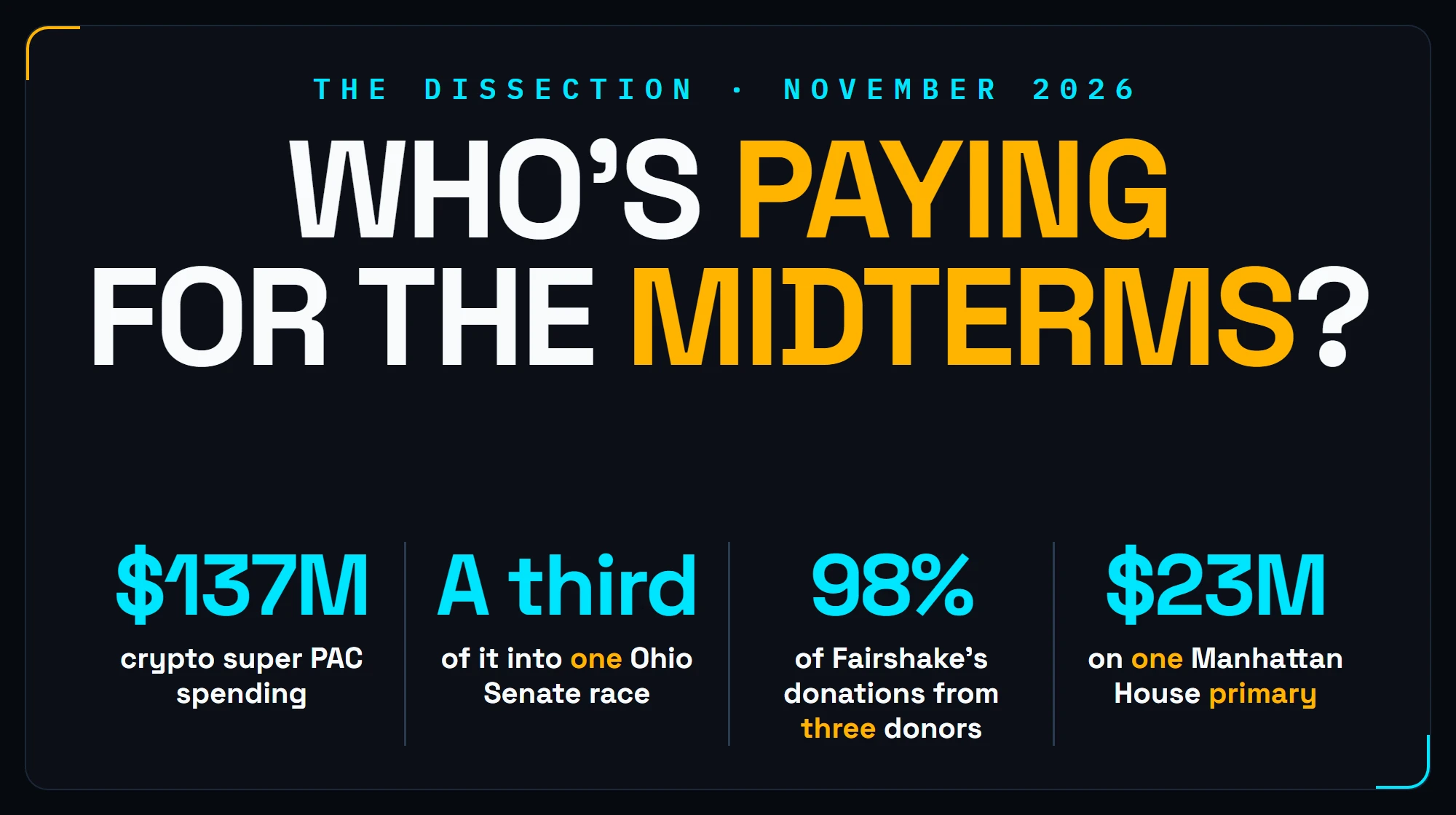
Crypto and AI super PAC money, followed through the FEC filings: who's paying, who it's helping, and what they want from the next Congress.
The Dissection is a monthly deep dive built from primary public documents (company filings, official reports, published price lists and terms), with every claim linked to its source. Each issue takes one subject apart; after each earnings season it also carries a short AI-financing check-in.
Last month: Who's paying for the AI build-out?
Suggest a topic, or send a question or correction: hello@c13m.com
02 // Free to use
The Math of Enough
A daily-target calculator over 252 trading days, and a labeled model of two traders with the same average per trade: how often each ends a year down, and how often one is wiped out. Plain arithmetic, in your browser.
03 // In testing
What we're building
We're starting with the S&P 500 (SPX and SPY) and adding more as each one passes the same tests. This site is being built in the open; these tools are in testing and not yet open to the public.
The Morning Brief
Before the open: the levels to watch, the day's events, and what yesterday's numbers got right and wrong.
The Dispatch
A morning map of outstanding S&P 500 options contracts (open interest), and how often price has reacted at levels like them.
The Weekend Review
The week in plain numbers: what moved, what held, and what changed in the bigger picture.
04 // How we work
The rules we hold ourselves to
- Every trading day counts.No cherry-picked days, no hidden losing months. If the data has it, the test uses it.
- Tests are written down before they run.So you can compare the question we asked with what we actually tested.
- Misses get published too.When an idea fails the test, we show it and work out why: the conditions it needs, what it costs, and where it breaks.
- Research, not advice.The same numbers for everyone. We never tell anyone what to buy or sell.